

Ever wondered if you can use brake fluid in your power steering system? Picture this: you’re faced with a leak in your power steering, and you’re unsure what to do next. Can brake fluid be the solution? In this article, we’ll explore the common question: “Can I put brake fluid in power steering?”
Discovering the answer could save you time, money, and potential damage to your vehicle. Understanding the compatibility of fluids is crucial for maintaining your car’s performance. So, how do these essential liquids differ, and what are the implications of using the wrong one? Let’s navigate through this automotive conundrum together.
By clarifying whether brake fluid can indeed substitute for power steering fluid, you’ll gain valuable insights into proper vehicle maintenance. Stay tuned to learn more about this intriguing topic and make informed decisions when it comes to caring for your car.
Key Takeaways
- Understanding the distinct roles of brake fluid and power steering fluid is crucial for maintaining optimal vehicle performance and safety.
- Using brake fluid in the power steering system can lead to severe damage due to incompatibility with seals and components, resulting in leaks and reduced performance.
- In emergencies, suitable substitutes for power steering fluid include automatic transmission fluid (ATF), hydraulic oil, and universal power steering fluid. However, manufacturer-recommended fluids should always be used when possible.
- Adhering to manufacturer recommendations for power steering fluid during regular maintenance, system repairs, and warranty compliance is essential to ensure optimal performance and safety standards are met.
Understanding Your Car’s Fluid Systems
When it comes to maintaining your vehicle, understanding the different fluid systems is crucial. Let’s delve into the roles of brake fluid and power steering fluid in keeping your car running smoothly.
The Role of Brake Fluid
Brake fluid plays a vital role in your car’s braking system. It transmits force when you press the brake pedal, helping to stop the vehicle by applying pressure to the brakes. This hydraulic fluid is essential for ensuring that your brakes function effectively and responsively.
The Role of Power Steering Fluid
Power steering fluid is responsible for assisting you in turning the steering wheel with ease. It lubricates and transmits pressure in the power steering system, reducing the effort required to steer your car. Without adequate power steering fluid, maneuvering your vehicle would be much more challenging.
Understanding these distinct roles of brake fluid and power steering fluid will help you appreciate their importance in maintaining optimal performance and safety while driving.
Can You Use Brake Fluid in Power Steering?
Brake fluid and power steering fluid serve different purposes in a vehicle, and it’s crucial to understand the distinctions between them.
Recommended Products

Engineered Stop Leak Protection: Specially formulated to condition and rejuvenate worn seals, helping stop existing leaks and preventing future fluid loss for smoother steering performance

REDUCES NOISE AND SMOOTHES OUT HARD STEERING: A unique dual cavity bottle containing a combination of the best performance additives to repair the most common power steering fluid related problems.

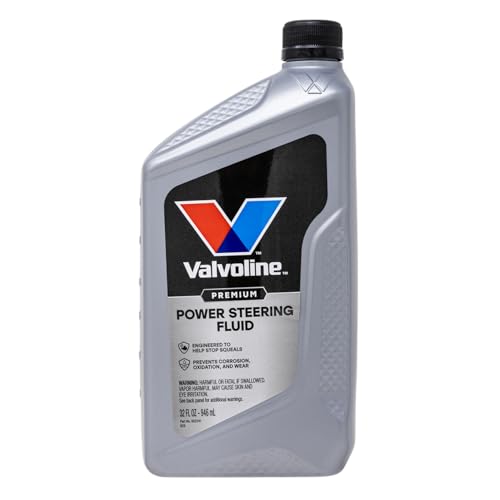
The exact Original Equipment Manufacturer fluid that your vehicle came with; helps stop squeals while preventing corrosion, oxidation and wear
Differences Between Brake Fluid and Power Steering Fluid
Brake fluid is designed to withstand high temperatures and pressure to facilitate smooth braking by transferring force from the brake pedal to the brakes. On the other hand, power steering fluid is formulated to provide lubrication and hydraulic pressure for easy steering control.
Potential Risks of Using Brake Fluid in Power Steering
Using brake fluid in your power steering system can lead to severe damage. Brake fluid is not compatible with the seals and components of a power steering system, which may result in leaks, reduced performance, and safety hazards. It’s essential to always use the recommended type of fluid specified by your vehicle manufacturer for each system to ensure optimal function and safety on the road.
Alternatives to Power Steering Fluid
If you’re ever in a situation where you need an alternative to power steering fluid, here are some options you can consider:
Recommended Products
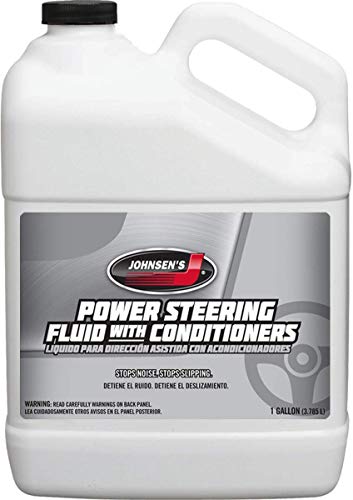
High quality power steering fluid and conditioner

50,000 mile fluid life
Suitable Substitutes for Power Steering Fluid
- Automatic Transmission Fluid (ATF): In emergencies, ATF can be used as a temporary substitute for power steering fluid. It shares similar properties and viscosity levels that make it compatible with power steering systems.
- Hydraulic Oil: Hydraulic oil, commonly used in hydraulic systems, can also serve as a substitute for power steering fluid. Ensure compatibility with your vehicle’s system before using it.
- Universal Power Steering Fluid: Some universal power steering fluids on the market claim to work with various vehicle makes and models. While they may not be manufacturer-specific, they can provide a temporary solution if you’re unable to access the recommended fluid.
When to Use Manufacturer Recommended Fluids
It’s crucial to adhere to the manufacturer’s recommendations when it comes to fluids in your vehicle. Here’s when you should always use the recommended power steering fluid:
- During Regular Maintenance: Whenever you’re performing routine maintenance on your vehicle, such as changing fluids, stick to the specified power steering fluid.
- System Repairs: If your power steering system requires repairs or part replacements, ensure that the correct manufacturer-recommended fluid is used during the service.
- Warranty Compliance: Using non-recommended fluids could void your vehicle warranty. To maintain warranty compliance and ensure optimal performance, always opt for the recommended fluids provided by the manufacturer.
By following these guidelines and using suitable alternatives only when necessary or in emergencies, you’ll help maintain your vehicle’s optimal performance and safety standards related to its power steering system.
Maintaining Your Vehicle’s Fluids
When it comes to keeping your vehicle in top condition, maintaining its fluids is crucial. Here are some essential tips on how to ensure your brake and power steering systems run smoothly.
Recommended Products
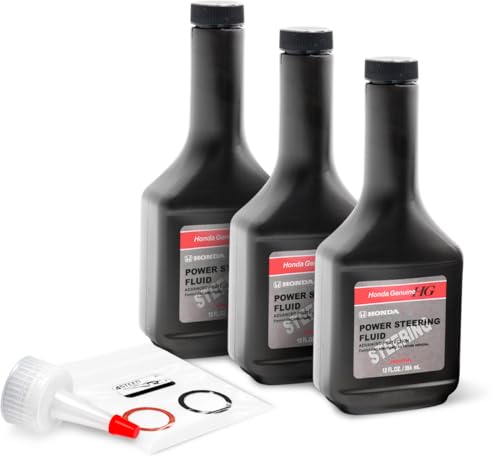
TOP QUALITY / GUARENTEED【Interchange Part Number】: 08206-9002A, 08206-9002, 08206-9002PE, 91345-RP6-A01, 91370-SV4-000, 91370-TA0-000, 91345-R70-P01, 91345-R70-A11, 91345-RDA-A01, 91370-SV4-000, 91345-PDA-E01, 91345-PAA-A01,
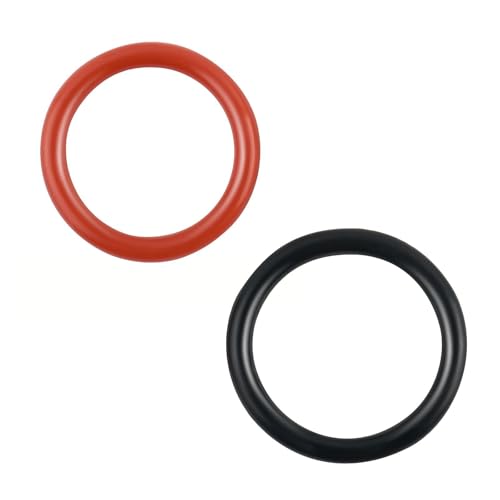
Precision Replacement: The kit includes two sizes of power steering O-rings: Black (OD 0.72 inches, ID 0.56 inches) and Red (OD 0.66 inches, ID 0.51 inches), replacing part numbers 91370SV4000, 91370-SV4-000, 91345RDAA01, 91345-RDA-A01. Please verify OEM and dimensions before placing your order

Replace Part Number: 53701-TA0-A01, 53701TA0A01, 53697SB3951, 53697SB3952
Checking and Replacing Power Steering Fluid
Regularly checking and replacing your power steering fluid is vital for optimal performance. To do this, follow these simple steps:
- Locate the Reservoir: Find the power steering fluid reservoir under the hood of your car.
- Check the Level: Ensure the fluid level falls between the minimum and maximum marks on the reservoir.
- Inspect the Condition: Check for any discoloration or debris in the fluid that may indicate contamination.
- Top Up or Replace: If needed, top up with manufacturer-recommended fluid or consider a complete flush if the fluid is old or contaminated.
By following these steps regularly, you can help prevent issues with your power steering system and maintain smooth operation while driving.
Best Practices for Brake Fluid Maintenance
Proper maintenance of brake fluid is essential for ensuring your brakes function effectively when you need them most. Here are some best practices to keep in mind:
- Regular Inspections: Check your brake fluid level regularly and look out for any signs of leaks or discoloration.
- Flush Periodically: Consider flushing out old brake fluid every 2 years or as recommended by your vehicle’s manual.
- Use Correct Type: Always use the type of brake fluid specified by your vehicle’s manufacturer to avoid compatibility issues.
- Professional Assistance: If you’re unsure about checking or replacing brake fluid yourself, seek assistance from a qualified mechanic.
Following these best practices will help maintain the integrity of your braking system, ensuring safe stops and overall vehicle safety.
Keeping an eye on both power steering and brake fluids will go a long way in preserving the functionality of these critical systems in your vehicle. Regular maintenance not only enhances performance but also contributes to safer driving experiences for you and others on the road.
Conclusion
Ensuring the right fluid for your vehicle’s braking and steering systems is vital. Using brake fluid in the power steering system or vice versa can lead to serious issues. Remember, proper maintenance like checking levels and using recommended fluids is key to keeping these systems running smoothly. By prioritizing fluid compatibility and regular checks, you’ll help maintain optimal performance and safety on the road. Your vehicle will thank you for it!
Frequently Asked Questions
What is the role of brake fluid in a vehicle’s braking system?
Brake fluid transmits force when you press the brake pedal, allowing your car to stop efficiently and safely.
Why is using the correct brake fluid important?
Using the wrong brake fluid can lead to brake failure, compromising safety and performance.
How can I maintain my vehicle’s brake fluid?
Regularly check the level and condition of your brake fluid, and ensure you use the manufacturer-recommended type.
What does power steering fluid do in a vehicle?
Power steering fluid assists in making steering easier by reducing the effort needed to turn the wheel.
Why should I use compatible power steering fluid for my car?
Using incorrect power steering fluid can damage the system, leading to costly repairs.
How do I care for my power steering system?
Check power steering fluid levels regularly and always use the recommended type specified by your vehicle’s manufacturer.
