

Ever wondered if you can substitute power steering fluid for brake fluid in a pinch? Picture this: you’re in your garage, about to tackle a brake fluid change, and you realize you’re out of brake fluid. What do you do next? Can you use power steering fluid instead?
In this article, you’ll discover the answer to this common dilemma. We’ll explore whether swapping power steering fluid for brake fluid is a viable option or a recipe for disaster. By the end, you’ll have a clear understanding of the risks and benefits involved in using power steering fluid as brake fluid. Stay tuned to make sure you’re equipped with the right knowledge for your next automotive maintenance task.
Key Takeaways
- Power steering fluid and brake fluid serve different purposes in a vehicle, with distinct compositions and performance requirements.
- Mixing power steering fluid with brake fluid can lead to system failures, reduced braking efficiency, and safety risks due to their varied chemical compositions.
- Automobile manufacturers strictly advise against substituting power steering fluid for brake fluid to ensure optimal safety, performance, and longevity of the braking components.
- Understanding the fundamental disparities between power steering fluid and brake fluid is crucial to maintaining your vehicle’s safety and performance.
- Using power steering fluid as brake fluid can result in brake system failure, seal and component damage, non-compliance with safety regulations, and jeopardize emergency response situations.
- Safe alternatives to using power steering fluid in the brake system include purchasing the correct fluid, seeking professional assistance, prioritizing safety, performing regular maintenance, and stocking emergency supplies for preparedness.
Exploring the Compatibility of Power Steering Fluid and Brake Fluid
When it comes to the compatibility of power steering fluid and brake fluid, it’s crucial to understand that these fluids serve different purposes in your vehicle. While they might appear similar, their compositions and functions are distinct. Here’s a breakdown to help you navigate their compatibility:
Recommended Products

Mixes well with conventional fluids

Provides an extra margin of safety in extreme braking conditions (packaging may vary)
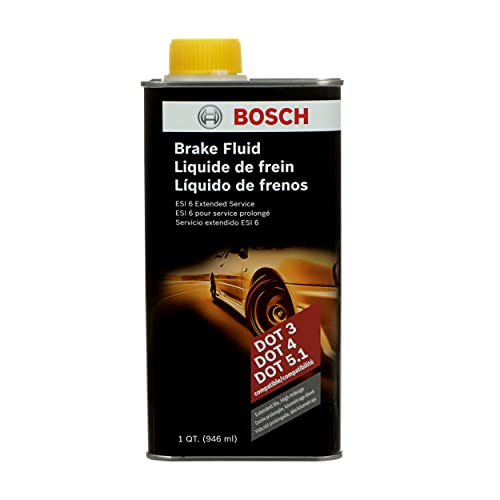
[NEXT GENERATION FLUID] - Bosch ESI6 is a next generation brake fluid designed for today's modern braking systems and is the first fluid to simultaneously combine both low viscosity and high wet boiling point (365 Degrees Fahrenheit)
Differences in Composition
Power steering fluid is designed to transmit power in the steering system, providing hydraulic assistance to steering mechanisms. On the other hand, brake fluid is a hydraulic fluid responsible for transferring force within the braking system, enabling effective brake performance.
Varied Performance Requirements
Brake fluid operates under high pressure and temperatures to ensure quick responses when you press the brake pedal, while power steering fluid functions under lower pressure to facilitate smoother steering operations. Mixing these fluids can compromise their intended functionalities and potentially lead to system failures.
System Vulnerabilities
Brake systems are highly sensitive to the type of fluid used, as they are engineered to work optimally with brake fluid. The introduction of power steering fluid into the brake system can cause seal damage, reduced braking efficiency, and safety risks due to the different chemical compositions of the two fluids.
Manufacturer Recommendations
Automobile manufacturers strictly advise against substituting power steering fluid for brake fluid due to the critical nature of the brake system. They specify the type of brake fluid compatible with your vehicle to ensure safety, performance, and longevity of the braking components.
Conclusion
While both power steering fluid and brake fluid are essential for your vehicle’s operation, they are not interchangeable. To maintain the integrity of your brake system and ensure safe driving conditions, always use the recommended brake fluid as specified by the manufacturer. Prioritize your safety and the performance of your vehicle by adhering to the designated fluid requirements for each system.
Understanding the Differences Between Power Steering Fluid and Brake Fluid
When it comes to your vehicle’s fluids, it’s crucial to understand the distinct characteristics of power steering fluid and brake fluid. Mixing these fluids could result in significant damage to your vehicle, compromising your safety on the road. Here’s a breakdown of the disparities between power steering fluid and brake fluid:
Composition:
- Power steering fluid: Primarily designed to transmit power in power steering systems, power steering fluid is formulated with additives to reduce wear and tear on the pump and other components. It’s typically oil-based or synthetic, with specific friction modifiers.
- Brake fluid: Created to transfer force from the brake pedal to the braking mechanism, brake fluid is a hydraulic fluid with a different composition from power steering fluid. It is usually glycol-ether-based or silicone-based, with a high boiling point to withstand the heat generated during braking.
Function:
- Power steering fluid: Facilitates smooth steering by reducing friction and heat in the power steering system. It helps you steer effortlessly, especially at lower speeds or when parking.
- Brake fluid: Transfers the force exerted on the brake pedal to the brake pads or shoes, enabling your vehicle to stop effectively. It plays a crucial role in ensuring prompt and reliable braking when needed.
- Power steering fluid: Requires specific viscosity and lubricating properties to maintain optimal performance in power steering systems. Using the wrong fluid can lead to pump failure or increased steering effort.
- Brake fluid: Must have a high boiling point to prevent vaporizing under extreme heat and maintain consistent brake performance. Contaminated brake fluid can compromise braking efficiency and jeopardize your safety.
By understanding these fundamental disparities between power steering fluid and brake fluid, you’ll grasp why it’s essential to use the right fluid for each system. Ensuring you follow the manufacturer’s recommendations for fluid types will help maintain your vehicle’s performance and safety on the road.
Potential Risks of Using Power Steering Fluid as Brake Fluid
When considering using power steering fluid as brake fluid, it’s crucial to understand the potential risks involved. Mixing up these fluids intended for different systems can lead to serious consequences for your vehicle’s safety and performance.
Recommended Products

Ideal for hydraulic and disc brakes
New low viscosity formulation, faster response at lower temperatures

Genuine Honda part that fits your specific vehicle
Brake System Failure:
Using power steering fluid in your brake system can result in brake failure. Brake fluid needs to withstand high temperatures to ensure proper braking function. Power steering fluid, not designed for such high heat levels, can boil under the intense heat generated during braking, leading to brake fade. This loss of braking power can jeopardize your ability to stop swiftly and safely.
Seal and Component Damage:
Another critical risk is the potential damage to the seals and components within the brake system. Brake fluid is specially formulated to work with the rubber seals and components in the braking system. Power steering fluid may not be compatible with these materials, causing them to deteriorate over time. The result can be leaks, reduced braking efficiency, and ultimately, the need for costly repairs.
Compliance and Safety Concerns:
Additionally, using power steering fluid as brake fluid can lead to non-compliance with safety regulations. Different fluids have distinct compositions to meet specific safety standards. By using the incorrect fluid, you could compromise your vehicle’s compliance with safety regulations, putting yourself and others at risk on the road.
Emergency Response:
In case of an emergency where brake fluid isn’t available, it’s crucial to avoid substituting power steering fluid. Instead, focus on alternative solutions like contacting roadside assistance or seeking professional help. Prioritizing safety over convenience in such situations can prevent severe damage to your vehicle and ensure your safety on the road.
Conclusion:
Understanding the potential risks of using power steering fluid as brake fluid underscores the importance of using the right fluid for the designated system. Prioritizing safety and following manufacturer recommendations for fluid maintenance can help maintain your vehicle’s performance and ensure safe driving experiences.
Safe Alternatives to Using Power Steering Fluid in Brake System
When it comes to your vehicle’s safety and performance, using the correct fluids is crucial. Here are some safe alternatives to consider if you ever find yourself in a situation where you need brake fluid but only have power steering fluid available:
Recommended Products

【TTPR Material】Crafted from high-quality, gentle TTPR material, this hose remains highly flexible and resistant to wear, corrosion, and deformation. Its durable construction guarantees reliable performance and a long service life, even in harsh under-hood environments, providing a dependable solution for all your brake bleeding needs

Brake Shoes Replacement for 2002-2004 Honda CR-V - [2003-2011 Honda Element] - 2001-2003 Acura CL - [1991-1995 Acura Legend] - 1996-2004 Acura RL - [1999-2008 Acura TL] - 1996-1999 Isuzu Oasis

High Quality Material: The main body of this brake fluid cap is made of PP plastic, which is lightweight and easy to carry, while also offering excellent impact resistance and durability. Additionally, the internal seal is primarily made of nitrile rubber, ensuring a reliable seal.
1. Purchase the Right Fluid
If you’re in an emergency and don’t have brake fluid on hand, consider purchasing the correct fluid as soon as possible. It’s essential to use brake fluid that meets the specifications recommended by your vehicle’s manufacturer.
2. Seek Professional Assistance
In situations where you’re unsure about the compatibility of fluids or the potential risks involved, it’s best to consult a professional mechanic. They have the expertise to assess the situation and recommend the best course of action to avoid any complications.
3. Don’t Compromise Safety
While it may be tempting to use a substitute like power steering fluid in emergencies, compromising on safety is not worth the risk. Always prioritize your safety and that of others on the road by using the right fluids for your vehicle.
4. Perform Regular Maintenance
To prevent finding yourself in a situation where you need to substitute fluids, maintain a regular schedule of checking and replacing brake fluid as recommended in your vehicle’s manual. This proactive approach can help prevent emergencies related to fluid compatibility.
5. Stock Emergency Supplies
To be better prepared for unexpected situations, consider keeping a small supply of essential fluids, including brake fluid, in your vehicle’s emergency kit. This can come in handy during roadside emergencies or when you need a quick solution.
Following these tips can help you navigate emergency situations where using power steering fluid as a substitute for brake fluid may seem like a solution. Remember, safety should always be your top priority when it comes to your vehicle’s maintenance and performance.
Conclusion
Using power steering fluid as brake fluid poses significant risks to your vehicle’s safety and performance. It’s crucial to prioritize safety by using the correct fluid for each system. Remember to always opt for safe alternatives and seek professional guidance when in doubt. By following these tips and maintaining your vehicle properly, you can ensure a smooth and safe driving experience. Prioritize safety, be proactive in maintenance, and always have emergency supplies on hand. Your vehicle’s performance and your safety are worth the extra care and attention.
Frequently Asked Questions
Is it safe to use power steering fluid instead of brake fluid in my vehicle?
No, it is not safe to use power steering fluid as a substitute for brake fluid in your vehicle. Power steering fluid is formulated differently and using it in the brake system can lead to system failures and safety hazards. Always use the correct fluid specified by the vehicle manufacturer to ensure optimal performance and safety.
What are the risks of using power steering fluid in the brake system?
Using power steering fluid in the brake system can result in brake failure, reduced stopping power, and compromised safety on the road. The different formulas of power steering fluid and brake fluid are specifically designed to perform in their respective systems, making it essential to use the right fluid to maintain vehicle integrity and safety.
What are some safe alternatives to using power steering fluid in the brake system?
Safe alternatives include purchasing the correct brake fluid recommended for your vehicle, seeking professional help for fluid replacement, not compromising safety for convenience, maintaining your vehicle regularly, and keeping emergency brake fluid supplies handy for unforeseen circumstances. Prioritizing safety and following the manufacturer’s recommendations can prevent serious accidents and maintain optimal vehicle performance.
