
Have you ever noticed a puddle of oil under your car and wondered what to do next? An engine oil leak can be a frustrating problem, but you’re not alone. Many car owners face this issue at some point, and the good news is that fixing it doesn’t have to be a daunting task.
Key Takeaways
- Identify the Source: Understanding common causes of engine oil leaks, such as worn gaskets, damaged oil pans, and old seals, is crucial for effective repair.
- Recognize Warning Signs: Look for oil puddles, burning oil smells, and dashboard warning lights to identify potential leaks early.
- Diagnostic Techniques: Utilize visual inspections, check oil levels, and consider using UV dye to locate the source of the leak accurately.
- Temporary Fixes: Implement temporary solutions, such as using oil stop leak additives or tightening drain plugs, until a permanent repair can be made.
- Preventive Maintenance: Regularly change oil, inspect seals and gaskets, and monitor oil levels to minimize the risk of engine oil leaks.
- Professional Help: Consult a mechanic for persistent leaks to ensure comprehensive diagnosis and repair solutions.
Understanding Engine Oil Leaks
Engine oil leaks occur when oil seeps from the engine, resulting in low oil levels and potential engine damage. Identifying the source of the leak is essential for effective repair.
Common Causes of Oil Leaks
- Worn Gaskets: Gaskets seal connections. Over time, heat can cause them to crack and allow oil to escape.
- Old Seals: Seals can degrade due to exposure to oil and heat. When seals fail, leaking oil commonly occurs.
- Oil Pan Damage: The oil pan can develop rust or cracks. This damage often leads to oil leaks.
- Oil Filter Issues: A loose or damaged oil filter can result in oil spilling out, particularly after an oil change.
Signs of Engine Oil Leaks
- Oil Puddles: If you notice wet spots under your vehicle, it might indicate an oil leak.
- Burning Oil Smell: When oil leaks onto hot engine components, it produces a noticeable burning odor.
- Dashboard Warning Light: Low oil pressure alerts often signal a leak if the light remains illuminated.
Steps to Diagnose an Oil Leak
- Inspect the Ground: Look for oil puddles or spots under your vehicle. Observe the color and consistency.
- Check the Oil Level: Use the dipstick to assess oil levels. A significant drop can indicate a leak.
- Examine Engine Components: Inspect gaskets, seals, and the oil pan for visible oil residue or damage.
- Clean the Area: Wipe down the engine and oil pan. A clean engine helps identify the leak once it starts again.
- Flashlight: A good light source helps spot leaks in darker engine areas.
- Rags and Paper Towels: Use these for wiping surfaces and catching drips.
- Oil Leak Detection Dye: This dye can help highlight the leak under UV light.
Familiarity with the causes, signs, and diagnosis of engine oil leaks enables you to take action quickly. Keeping a watchful eye on your engine prevents more severe issues down the road.
Common Causes of Engine Oil Leaks
Understanding the common causes of engine oil leaks can help you address issues before they worsen. Here are the primary reasons oil leaks occur.
Recommended Products

DON'T GAMBLE ON AN UNPROVEN BRAND: A leaking engine, head gasket, cooling system, power steering or transmission is your one shot to avoid a bigger repair bill – reach for the brand proven for over 75 years
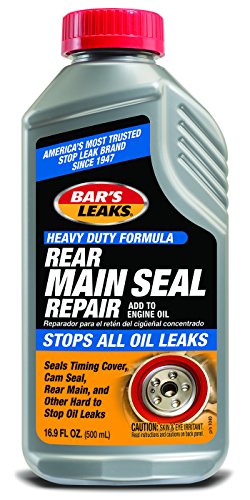
Seals timing cover, cam seal, rear main and other hard to stop oil leaks

Compatible with petroleum, semi-synthetic, and full synthetic motor oils
Worn Seals and Gaskets
Worn seals and gaskets lead to oil leaks when they lose their ability to create a tight seal. Over time, exposure to heat and engine vibrations deteriorates these components.
- Valve Cover Gasket: A frequently affected area that may leak oil onto the engine or exhaust, producing a burning smell.
- Oil Pan Gasket: If it becomes brittle, oil can seep out and create puddles under the auto.
- Front and Rear Main Seals: These seals can wear out and result in significant oil loss, often seen as oil spots in the driveway.
Damaged Oil Pan
A damaged oil pan can result from road debris, corrosion, or improper installation.
- Punctures or Dents: Physical damage can cause oil to leak directly onto the ground, leaving visible spots.
- Corrosion: Over time, rust can eat through the oil pan, especially in older vehicles, allowing oil to escape.
- Improper Sealing: A poorly sealed oil pan during an oil change can lead to leaks, so ensuring a proper fit is crucial.
Loose or Damaged Drain Plug
A loose or damaged drain plug can easily cause oil to escape from your vehicle.
- Loose Plug: If the drain plug isn’t tightened correctly after an oil change, it can vibrate loose, allowing oil to leak.
- Stripped Threads: Stripped threads on the plug or the pan can create a gap, leading to leaks.
- Damaged Washer: The washer that seals the plug may deteriorate over time, so replacing it during oil changes is a smart practice.
Recognizing these common causes can help you diagnose and resolve engine oil leaks quickly.
Diagnosing the Leak
Diagnosing an engine oil leak involves a combination of visual inspections and testing methods. You can identify the source effectively by using these techniques.
Recommended Products

One application of oil and fuel system UV leak detection dye

Professional AC Leak Detection: COSOOS leak detector design for detecting automotive air conditioner leak, flashlight with Professional grade 21 high intensity LED, it can accurately pinpoint leaks in seconds, enabling precise repairs and prevent potential accidents.

Professional AC Leak Detector Kit: Designed specifically for detecting automotive air conditioner leak, Vansky AC leak detector flashlight incorporates cutting-edge R&D technologies. Equipped with 68 high-quality LED beads, it can accurately pinpoint leaks, even in garage or indoor space. Compared to other flashlights, Vansky optimized ultraviolet light operates at a level 40% brighter, setting it apart in brightness.
Visual Inspection Techniques
- Check the Ground: Look underneath your vehicle for fresh oil puddles or spots. The color and consistency of the oil can help identify the leak’s origin.
- Inspect Seals and Gaskets: Examine engine gaskets and seals for cracks or wear. Pay close attention to areas around the oil filter, valve cover, and rear main seal.
- Look for Oil Stains: Notice any oil stains or dust bunnies that may indicate oil accumulation around specific engine parts.
- Examine Hoses and Connections: Inspect hoses connected to the oil system. Look for cracks, loose fittings, or signs of oil seeping from attachments.
- Check the Oil Pan: Inspect the oil pan for dents or corrosion. Ensure that the drain plug is secure and in good condition.
- Purchase UV Dye: Get a dye specifically formulated for engine oil systems. Many automotive stores carry this product.
- Add the Dye: Pour the dye into the oil filler cap after running the engine for a few minutes. Ensure the engine is off and cool for safety.
- Run the Engine: Start your engine and let it run for about 15 to 30 minutes. This allows the dye to circulate within the oil system.
- Shine a UV Light: Use a UV light to check for leaks. Look for glowing spots, indicating the presence of dyed oil.
- Locate the Source: Identify where the oil is leaking from by following the glow. Ensure proper repair based on the identified location.
By applying these techniques, you can effectively diagnose an oil leak and take prompt action to resolve it.
How to Fix a Engine Oil Leak
Fixing an engine oil leak requires careful inspection and strategic actions. You can tackle the problem with both temporary fixes and permanent solutions.
Recommended Products

WORKS WITH ALL ENGINE OIL, TRANSMISSION FLUID AND POWER STEERING FLUIDS: Bar's Leaks One Seal multipurpose stop leak effectively seals all minor engine oil, transmission and power steering system leaks.

PERMANENTLY FIXES COOLING SYSTEM LEAKS: . One step formula permanently repairs coolant loss problems on cars, trucks, vans, SUV’s and RV’s.
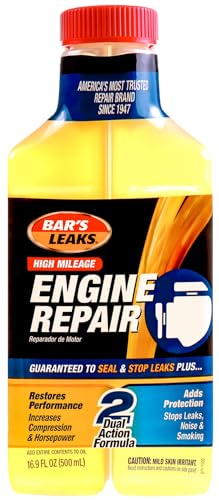
RESTORES PERFORMANCE: Contains a combination of the best performance additives to repair the most common oil-related problems
Temporary Fixes
- Use Oil Stop Leak Additives: These products swell gaskets and seals, temporarily sealing leaks. Follow the instructions on the product label for the best results.
- Sealant Tape: For small leaks, applying a specialized automotive sealant tape can help. Wrap it securely around the leaking area, ensuring a tight seal.
- Oil Catch Pan: Until you can fix the leak properly, placing an oil catch pan under your engine prevents oil from dripping onto the ground.
- Check Tightness of Drain Plug: If the drain plug is loose, tighten it using a wrench to stop any leaking.
- Rubber Gasket Replacement: If the leak is minor, using a rubber gasket to temporarily cover the damaged area can help. Clean the surface before applying it for better adhesion.
- Gasket Replacement: If gaskets are worn out, replace them with new units. Ensure you clean the surfaces thoroughly before installation for a tight fit.
- Oil Pan Repair: Inspect the oil pan for cracks or holes. If damaged, consider patching it with JB Weld or replacing it entirely to prevent future leaks.
- Professional Inspection: If you notice persistent leakage, seek professional help. A mechanic can provide a thorough diagnosis and effective repair solutions.
- Seal Replacement: Replacing worn seals can resolve small leaks. Identify the specific seals leaking and replace them accurately.
- Maintain Regular Oil Changes: Regular oil changes decrease the chances of sludge build-up, which can cause leaks. Stick to your vehicle’s maintenance schedule for optimal performance.
Preventive Measures
Taking preventive measures can significantly reduce the risk of engine oil leaks. Follow these steps to maintain your vehicle’s engine integrity:
Regular Oil Changes
Change your oil every 3,000 to 7,500 miles, depending on your vehicle’s specifications. Fresh oil helps maintain proper lubrication and prevents engine wear, which can lead to leaks.
Inspect Seals and Gaskets
Check seals and gaskets regularly for signs of wear or damage. Replace these components as necessary. This proactive step prevents leaks before they happen.
Tighten Oil Pan Bolts
Ensure oil pan bolts remain tight. Loose bolts can allow oil to seep out. Regularly check and tighten bolts to maintain a secure seal.
Monitor Oil Levels
Keep an eye on your oil levels and top off as needed. Low oil levels can increase pressure on seals and gaskets. Regular monitoring reduces the potential for leaks.
Use Quality Products
Choose high-quality oil and filters. Premium products offer better protection and longevity, minimizing the chances of leaks resulting from poor performance.
Conduct Visual Inspections
Perform visual inspections of your engine. Look for any signs of oil pooling or streaks. Catching leaks early can prevent more significant issues down the line.
Implementing these preventive measures helps maintain your vehicle’s health. Consistent maintenance practices can lead to fewer engine oil leaks and a longer lifespan for your engine.
Conclusion
Fixing an engine oil leak might seem daunting but with the right approach you can tackle it effectively. Staying proactive with regular maintenance and inspections can save you time and money in the long run. By addressing issues early and using the right techniques you can keep your engine running smoothly. Remember to use quality products and stay vigilant about any signs of leaks. Your car deserves the best care and you have the tools to provide it. Happy driving!
Frequently Asked Questions
What are the common causes of engine oil leaks in cars?
Engine oil leaks in cars often stem from worn gaskets, old seals, damaged oil pans, and oil filter issues. Regular wear and tear, improper installation, or aging components can lead to these problems, resulting in leaks that may affect engine performance.
How can I tell if my car has an oil leak?
Signs of an oil leak include finding oil puddles under your car, smelling burning oil, and noticing dashboard warning lights. If you see any of these indicators, it’s important to investigate further to prevent engine damage.
What techniques are used to diagnose engine oil leaks?
Diagnosing engine oil leaks typically involves visual inspections to check for stains or signs of oil loss. Additionally, using UV dye can help pinpoint the source of a leak, as the dye glows under a black light, making it easier to identify.
What are temporary fixes for oil leaks?
Temporary fixes for oil leaks include using oil stop leak additives, which can swell and condition seals to reduce leaking. However, these solutions are not permanent and should be treated as stopgaps while planning for a more permanent repair.
How can I prevent engine oil leaks?
To prevent engine oil leaks, regularly change your oil, inspect seals and gaskets, tighten oil pan bolts, monitor oil levels, use quality products, and conduct visual inspections. Implementing these practices can help maintain your vehicle’s health and longevity.
